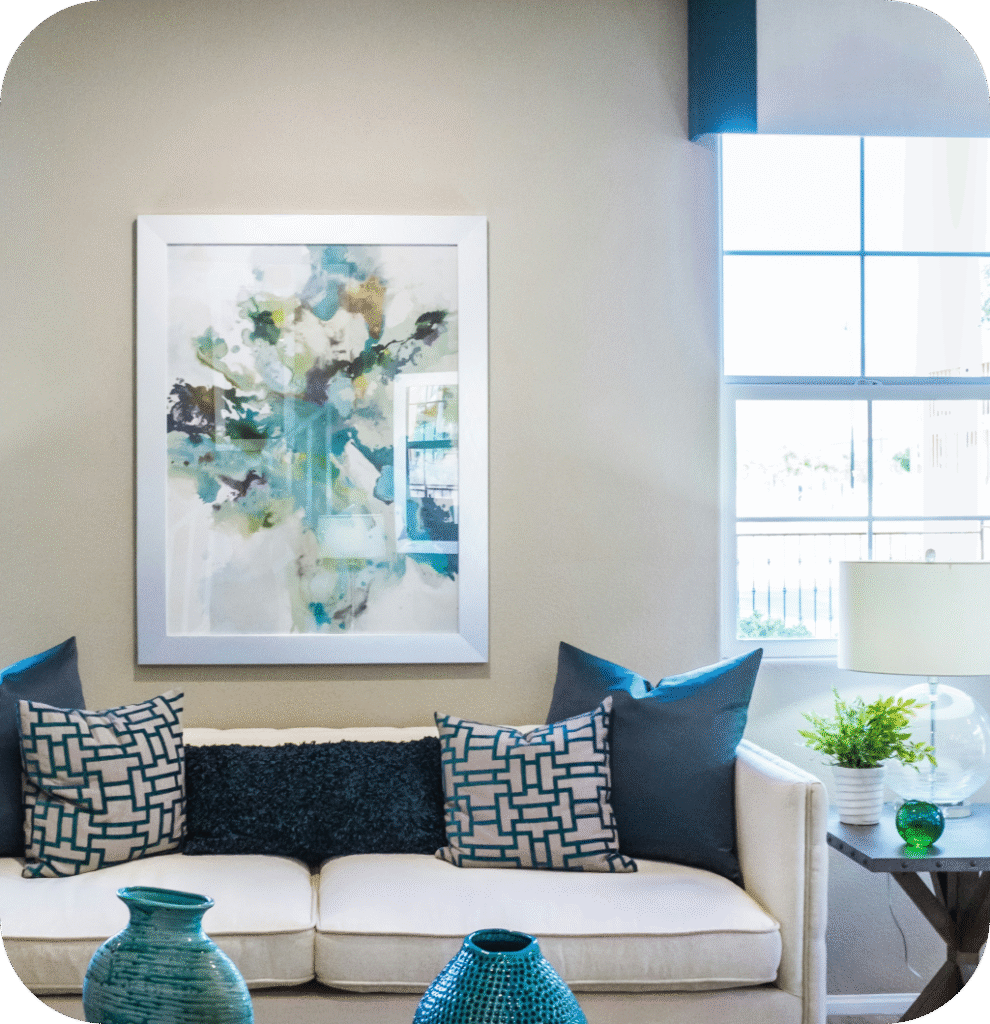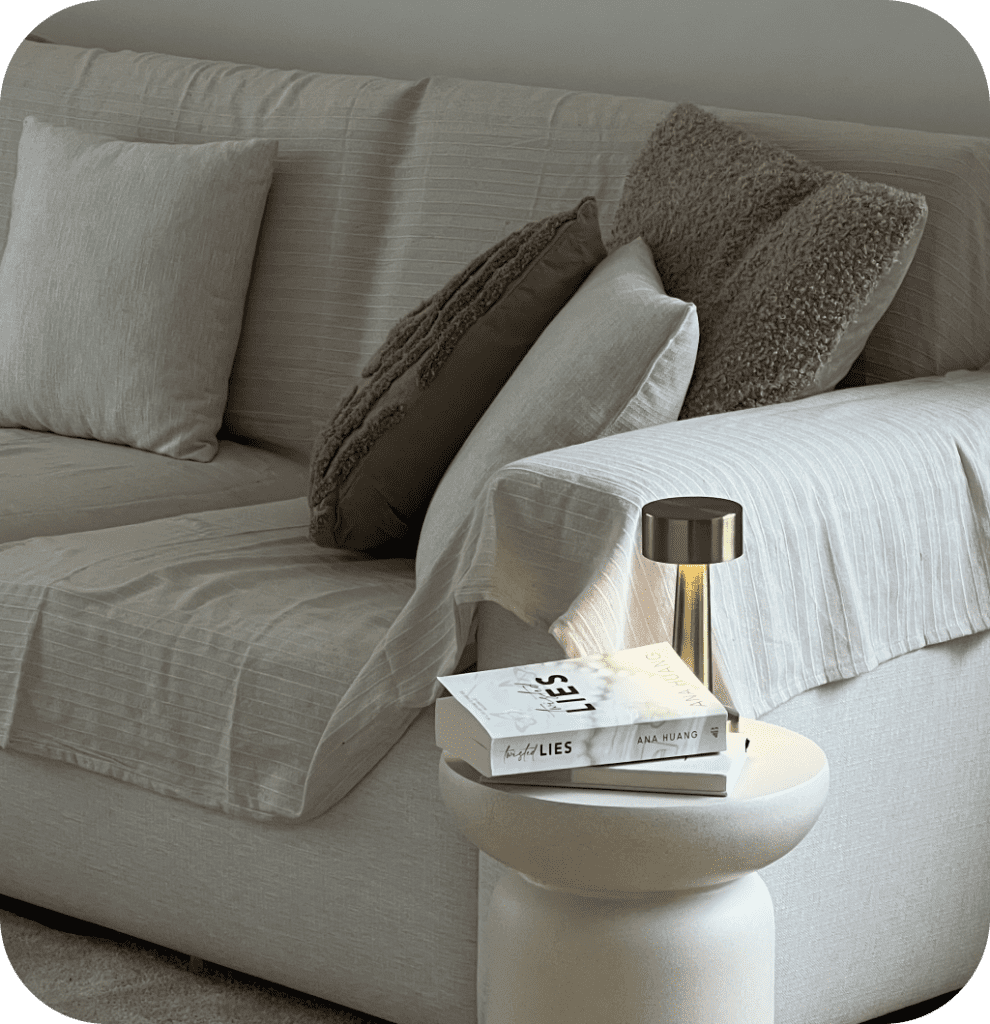
Discover in this post the best how to choose paint colors for your home interior.
Choosing paint colors for your home interior can quickly feel overwhelming. With endless shades, undertones, and lighting variations, it’s easy to doubt every decision.
Yet, when chosen thoughtfully, paint colors have the power to completely transform your home. They shape the mood, enhance the architecture, and create a sense of harmony from room to room.
So if you want your home to feel cohesive and intentional, this guide is for you!
From understanding light and undertones to creating a color flow throughout your home, you’ll learn how to choose paint colors for your home interior with confidence and clarity.

How To Choose Paint Colors For Your Home Interior
Learn how to choose paint colors for your home interior that feel refined and perfectly suited to your space.
1 – Start With How You Want To Feel In Each Room
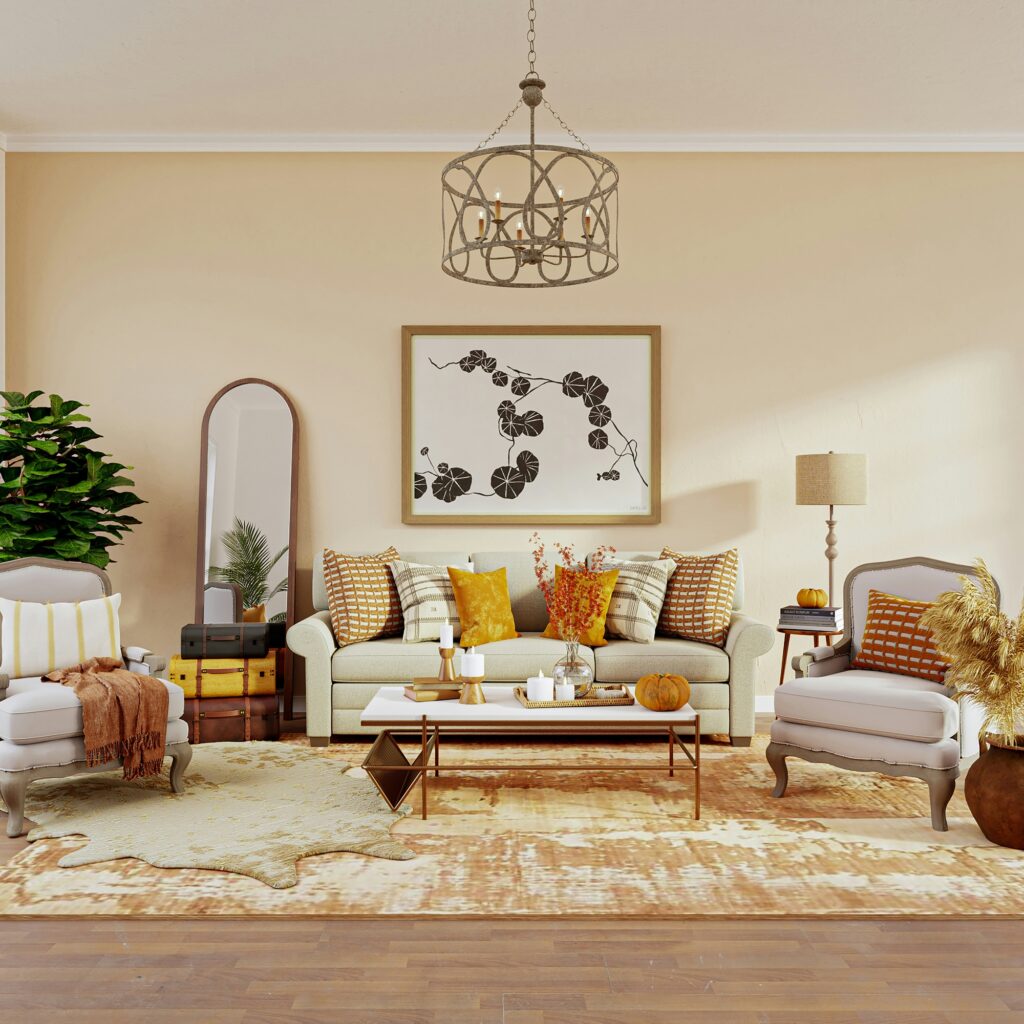
Before choosing any color, ask yourself how you want the room to feel. Calm, cozy, fresh, elegant, or energizing?
Paint colors should support the mood of the space, not fight against it. A bedroom should invite rest, while a living room should feel welcoming and warm.
Always let the feeling guide the color!
2 – Consider Your Home As A Whole
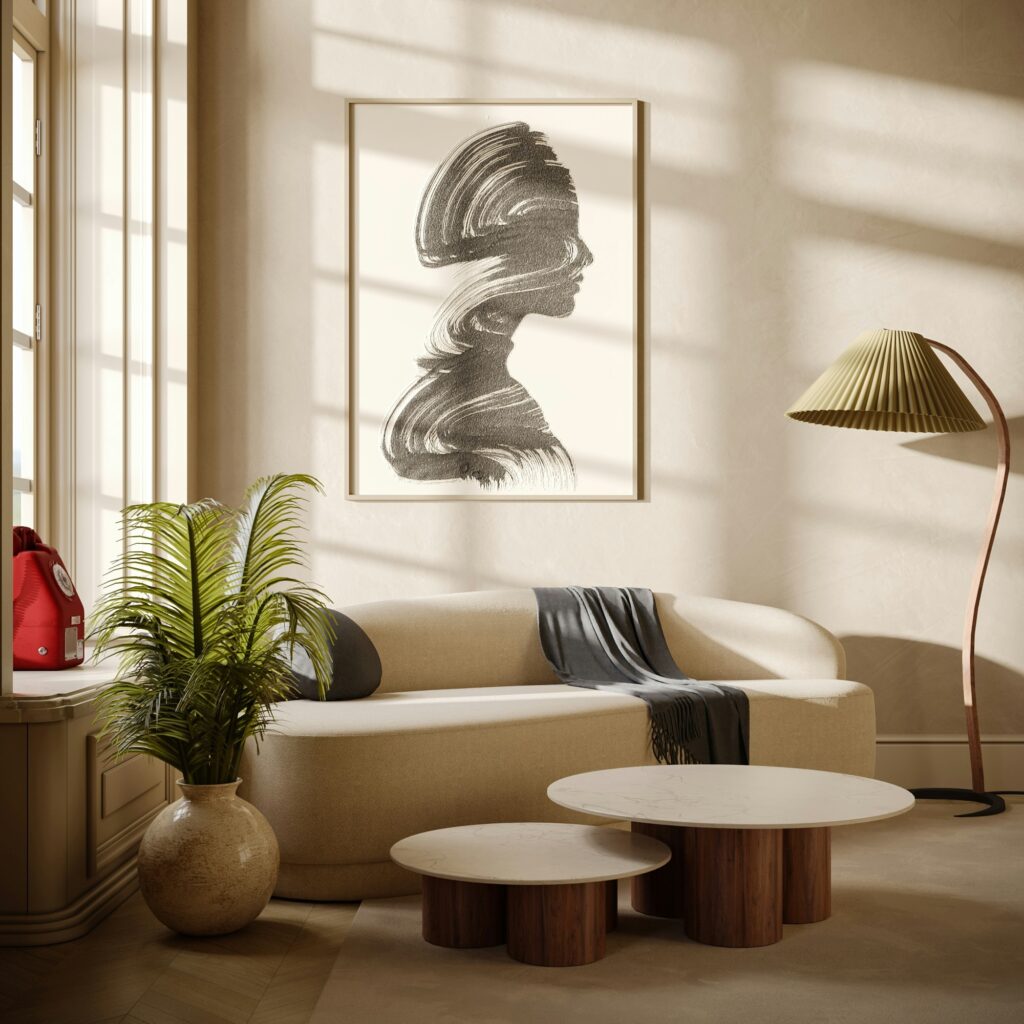
Your home should feel cohesive, not like a collection of disconnected rooms. Even if each space has its own personality, there should be a common thread.
Think about how rooms connect visually. Hallways, open spaces, and sightlines matter more than you think.
A harmonious color palette will make your home feel more refined and intentional.
3 – Choose A Base Color Palette First
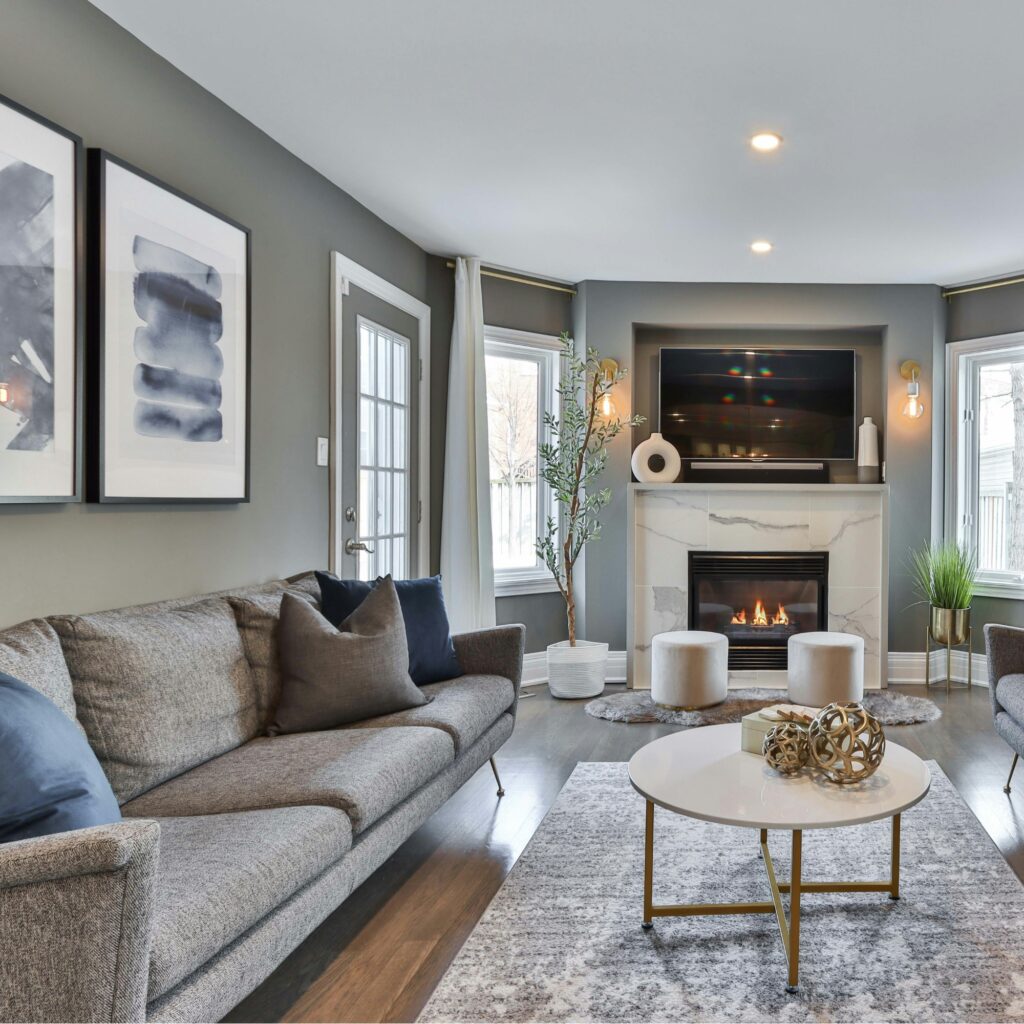
Before selecting individual room colors, define a base color palette. This could be a mix of soft neutrals, warm whites, or muted earthy tones.
Your base colors will anchor your home and allow you to add accents without visual chaos. They’ll also make future decorating decisions much easier.
This step alone will save you from many regrets.
4 – Understand Natural Light In Each Room
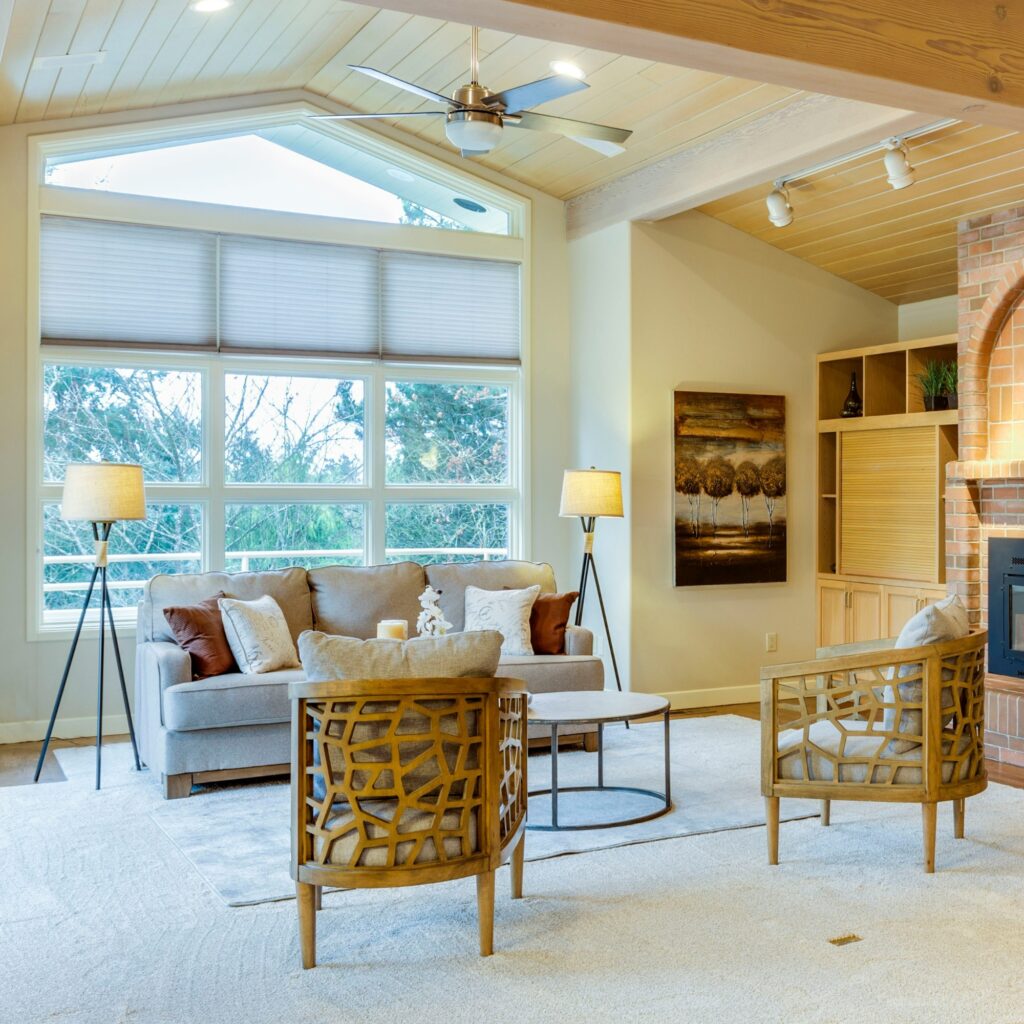
Light changes everything. The same paint color can look warm, cool, bright, or dull depending on the exposure.
North-facing rooms tend to feel cooler, while south-facing rooms are bathed in warm light. East and west-facing rooms shift throughout the day.
Always observe how light moves in your space before committing.
5 – Pay Attention To Undertones
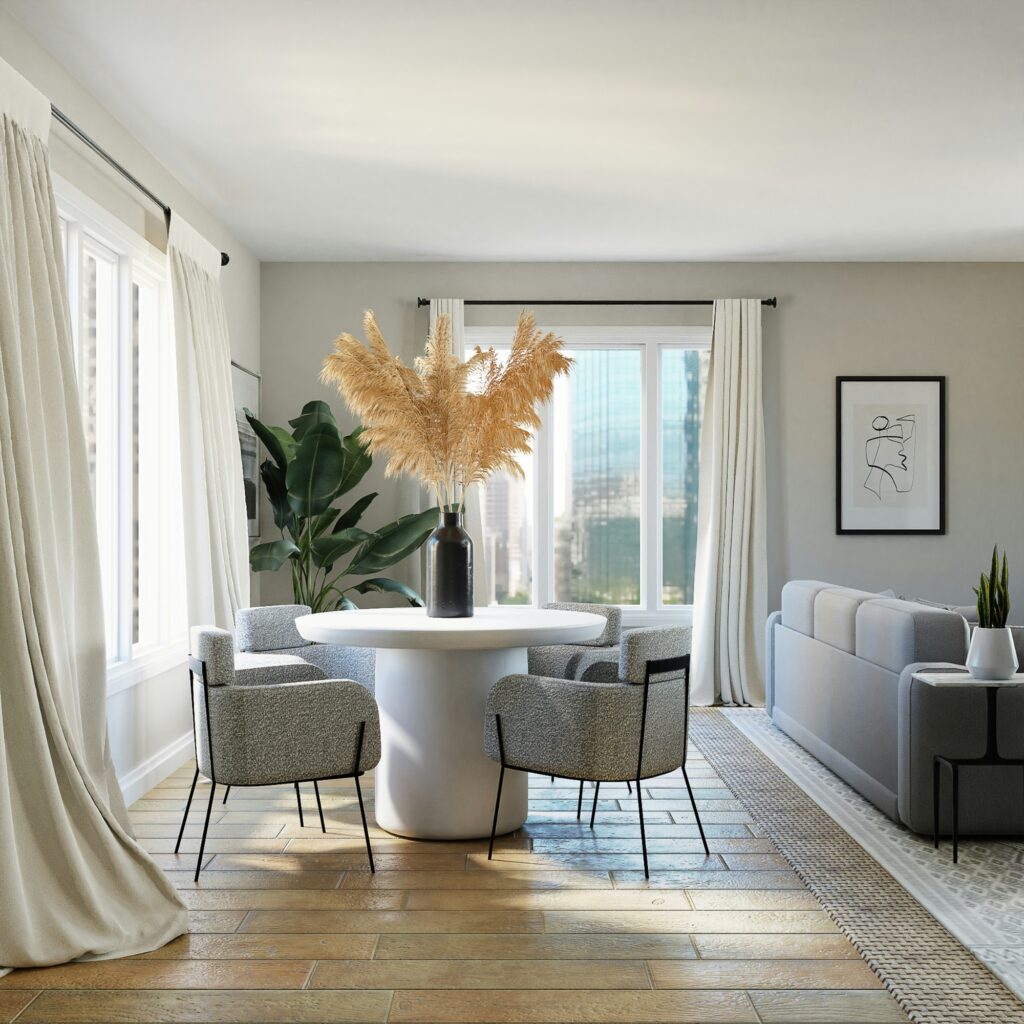
Undertones are the hidden colors beneath the surface. A beige can lean pink, yellow, or green. A white can feel warm or icy.
Ignoring undertones is one of the most common mistakes. They interact with floors, furniture, and light in subtle but powerful ways.
Learning to recognize undertones will instantly elevate your choices.
6 – Never Choose Paint Colors At The Store
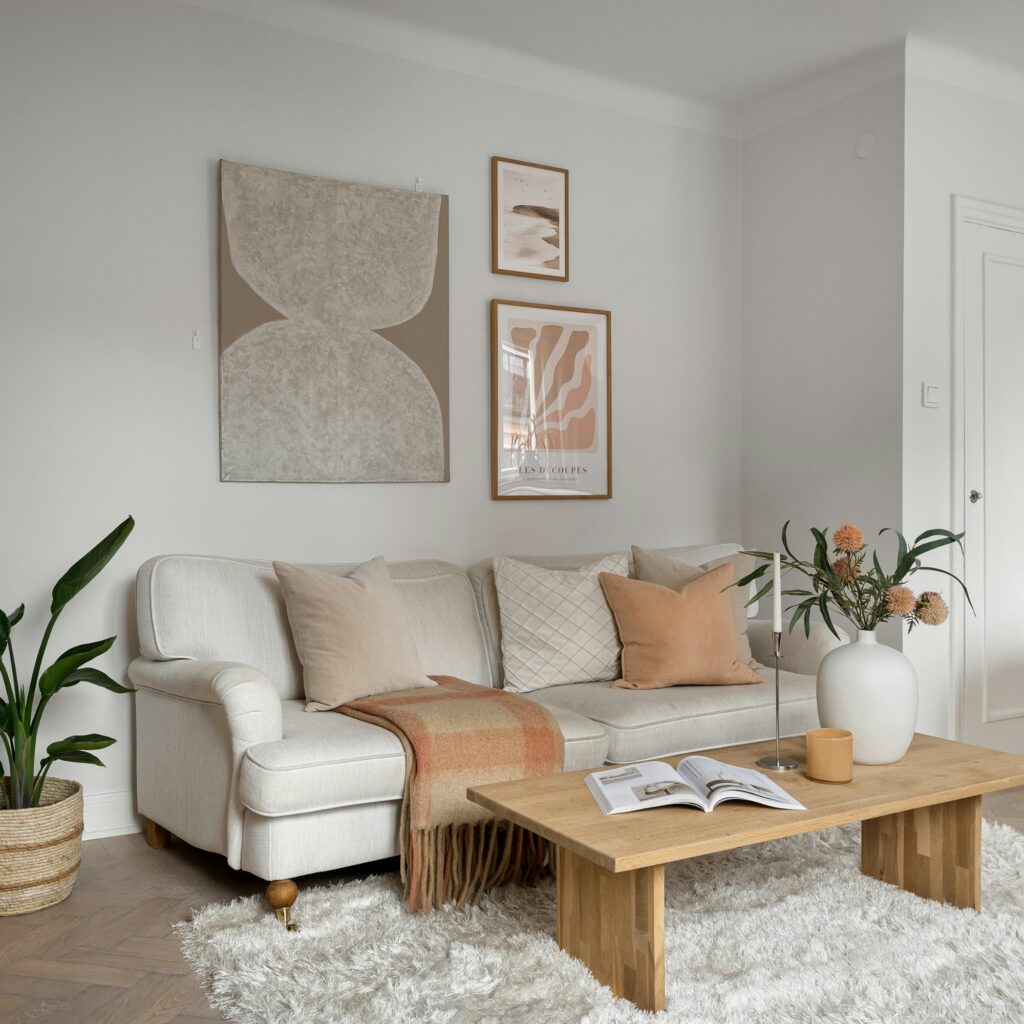
Paint stores use harsh lighting that completely distorts color. What looks perfect there may feel wrong at home.
Always bring samples back and view them in your actual space. Walls, light, and surrounding elements will change everything.
7 – Test Paint Samples The Right Way
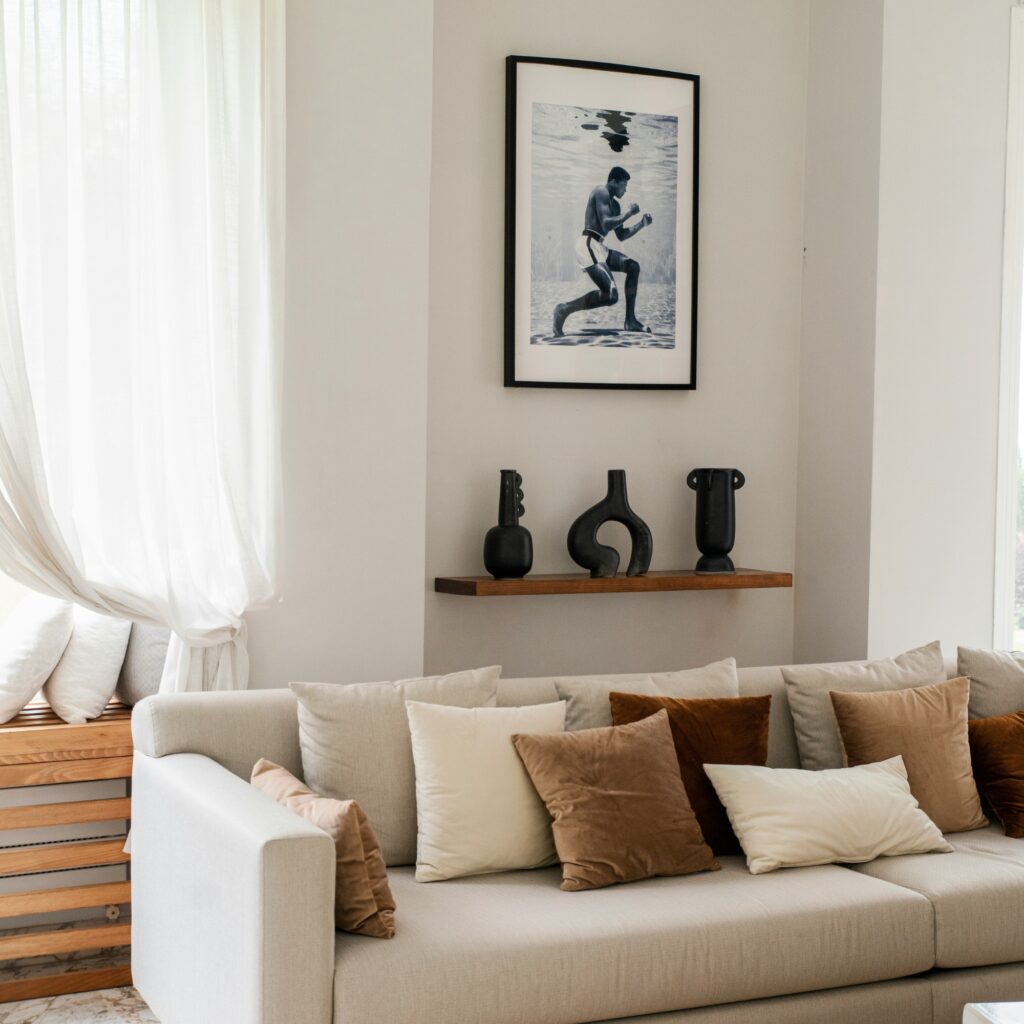
Small swatches are not enough. Use large samples or sample boards to truly see the color.
Move them around the room and observe them at different times of the day. Morning light and evening light can reveal very different shades.
Live with your samples for a few days before deciding.
8 – Choose Paint After Furniture And Decor
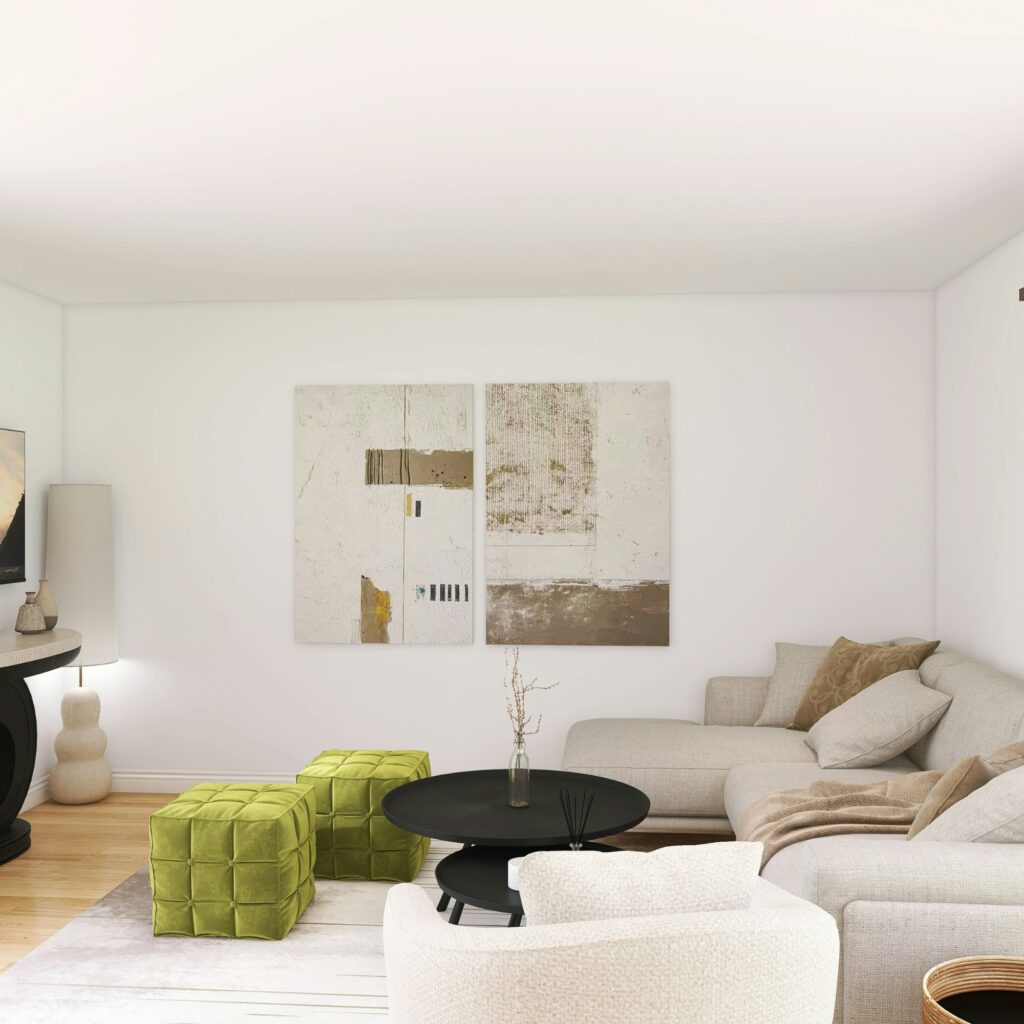
Paint is flexible. Furniture, rugs, flooring, and artworks are not.
Always choose your main decor elements first, then select paint colors that complement them. This approach feels far more natural and cohesive.
Paint should support your decor, not dictate it.
9 – Pull Colors From Art Or Textiles
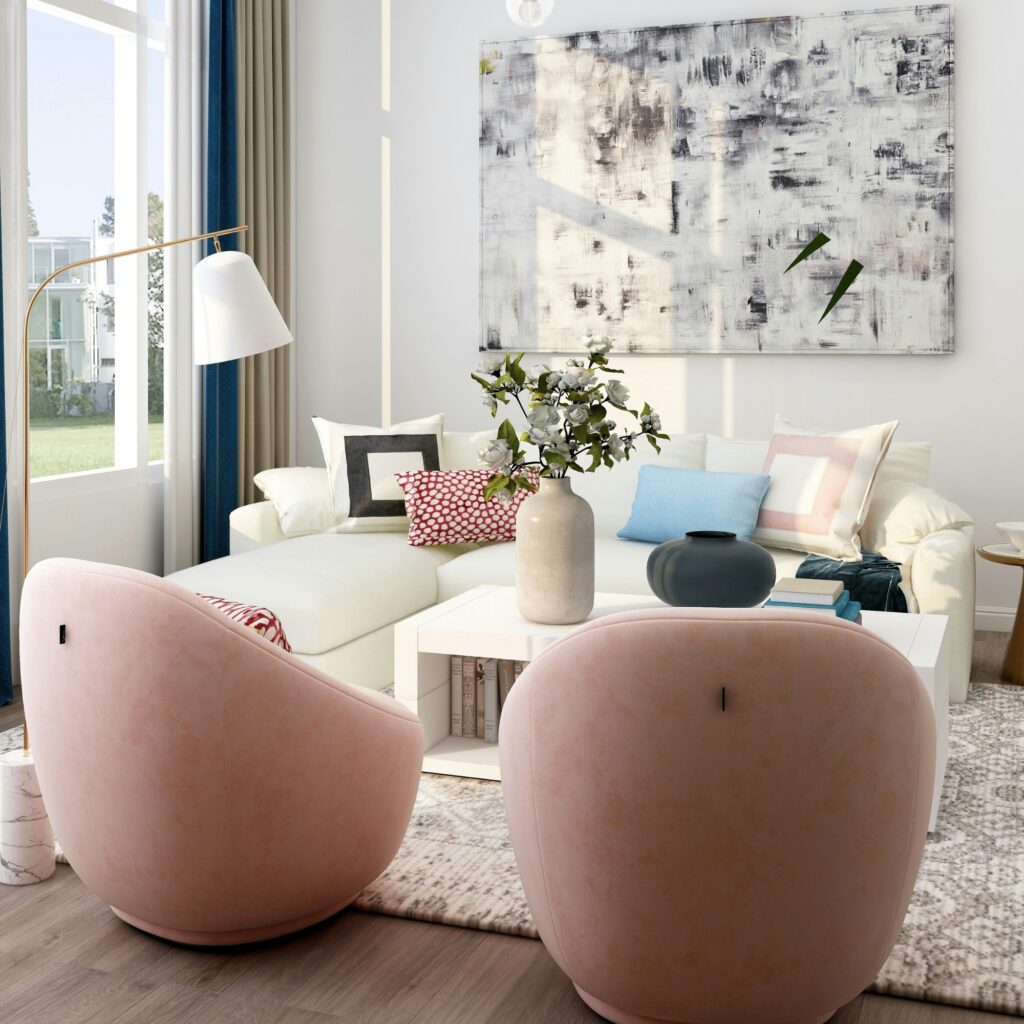
One of the easiest ways to create a harmonious look is to pull colors from an inspiration piece. Artworks, rugs, pillows, or curtains will work beautifully.
These pieces already contain balanced color combinations. Using them as a guide will ensure everything work together effortlessly.
10 – Use Neutrals Creatively
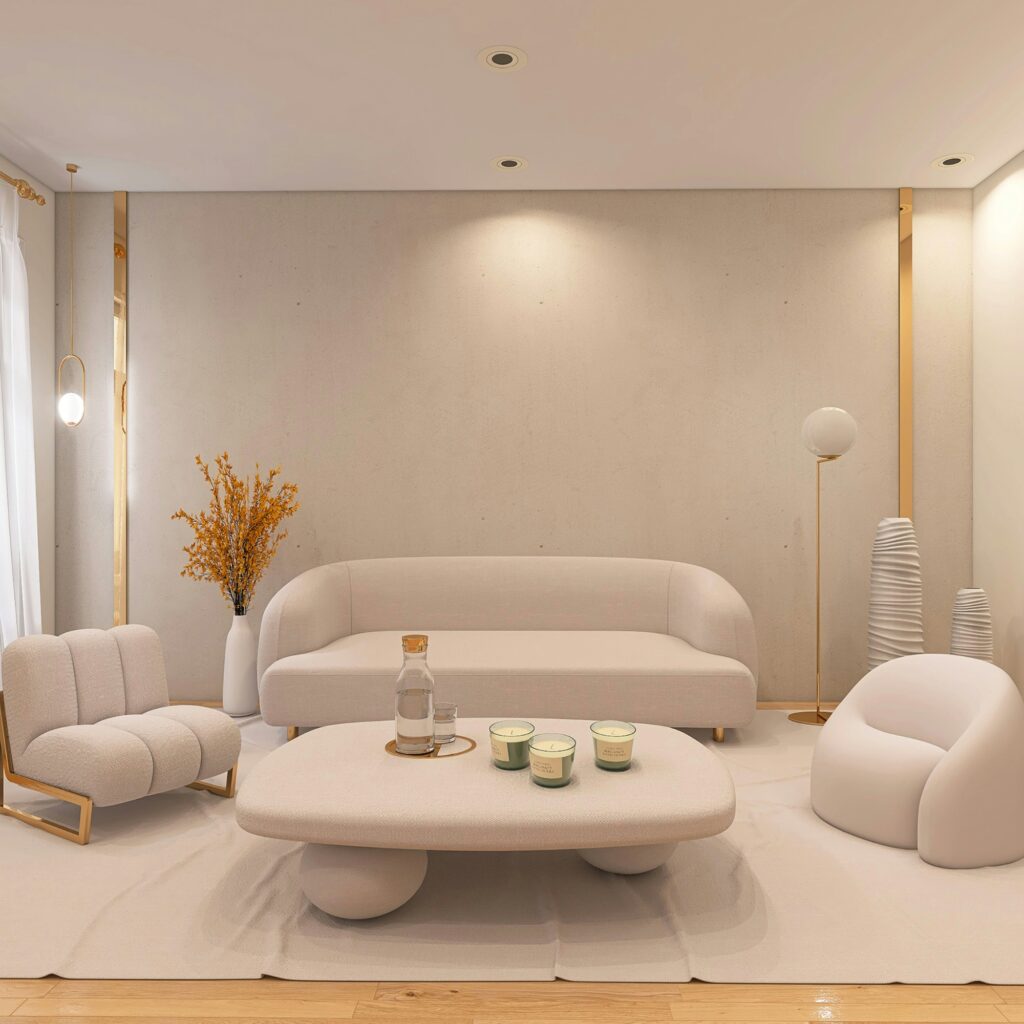
Neutral doesn’t mean boring. Soft greiges, warm beiges, muted taupes, and creamy whites can feel incredibly elegant.
Layering neutrals with subtle contrasts will add depth without overwhelming the space. They’ll also allow textures and materials to shine.
Neutrals are the secret to a calm and soulful home.
11 – Don’t Fear Dark Or Moody Colors
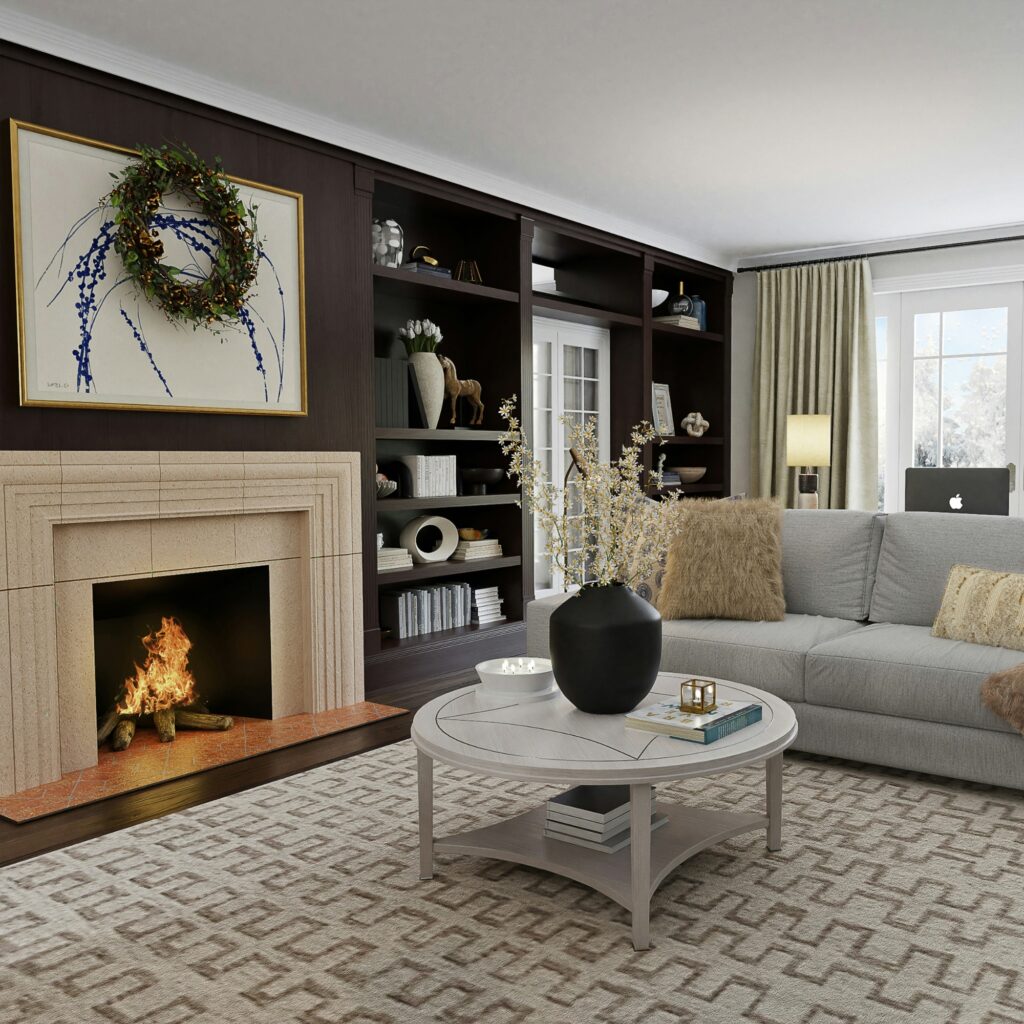
Dark colors can be incredibly cozy and sophisticated when used intentionally. They add depth, intimacy, and character.
They’ll work beautifully in bedrooms, dining rooms, offices, or TV rooms. Especially in spaces meant for slowing down.
12 – Avoid Random Accent Walls
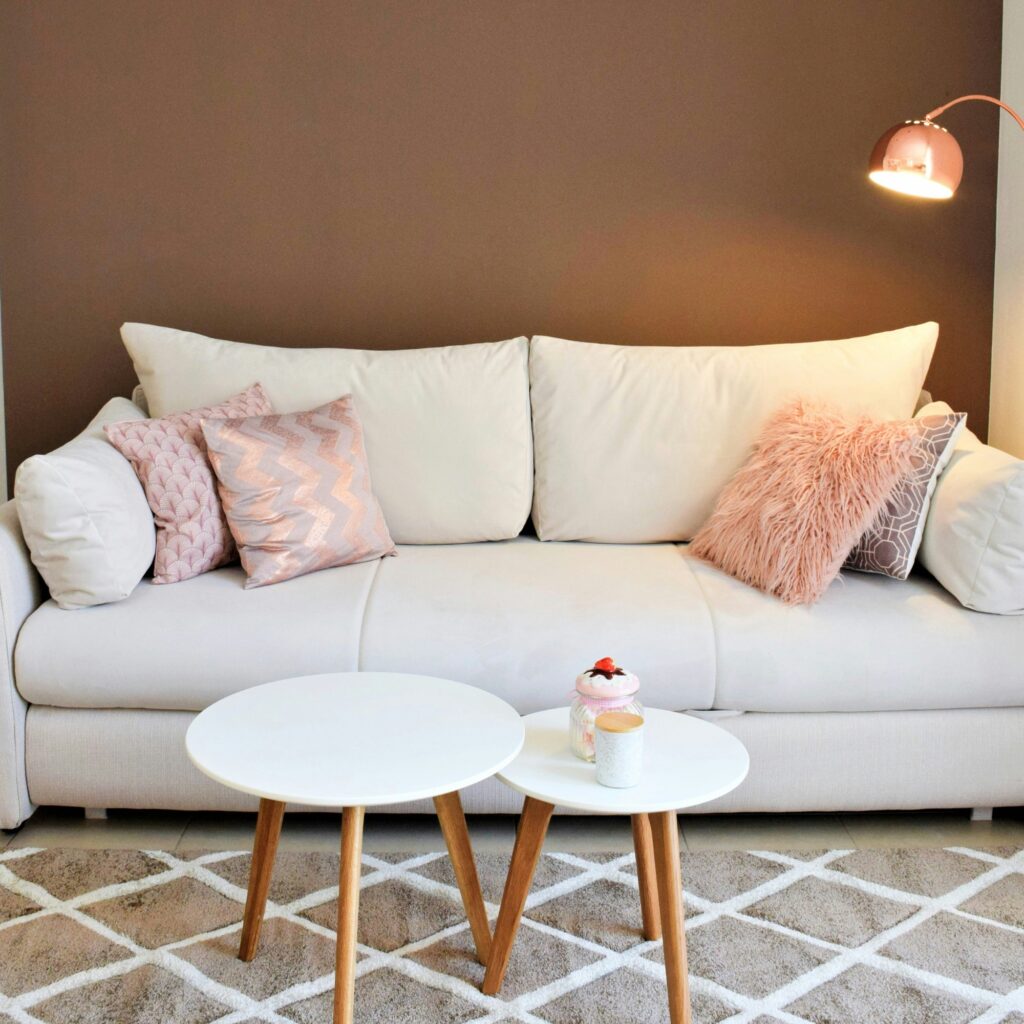
Accent walls should feel purposeful, not arbitrary. Painting one wall just to add color often disrupts harmony.
If an accent wall is used, it should highlight architecture, a headboard wall, or a niche. Otherwise, consider painting the entire room.
13 – Think About Color Flow Between Rooms
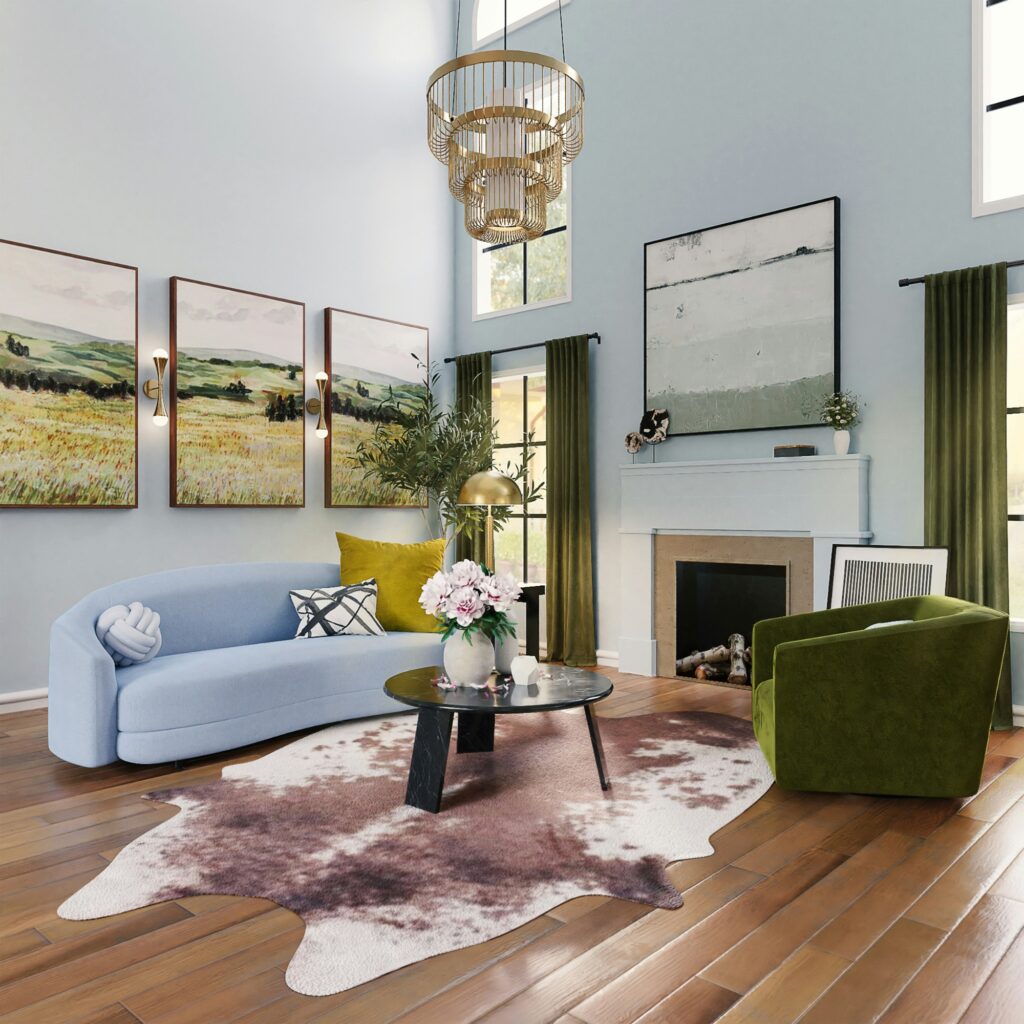
If you can see multiple rooms at once, their colors must work together. They shouldn’t clash or feel slightly “off.”
Think of your home like an outfit. Each piece should complement the others.
Soft transitions feel much more refined than abrupt changes.
14 – Use Color To Define Zones
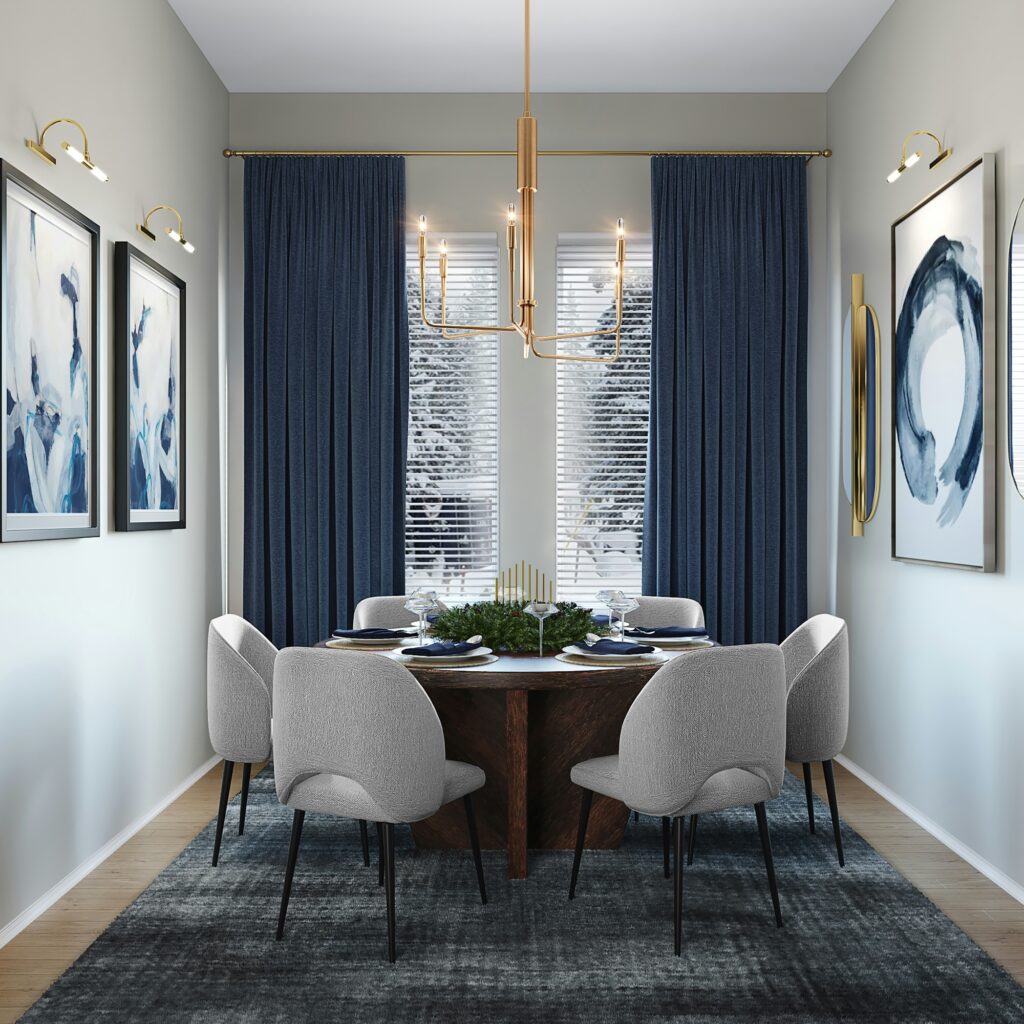
Color can subtly define spaces without walls. This is especially useful in open-plan homes.
Slight variations in tone can separate living, dining, and kitchen areas while maintaining cohesion. It’s truly a powerful design tool!
15 – Don’t Forget Trim, Doors, And Ceilings
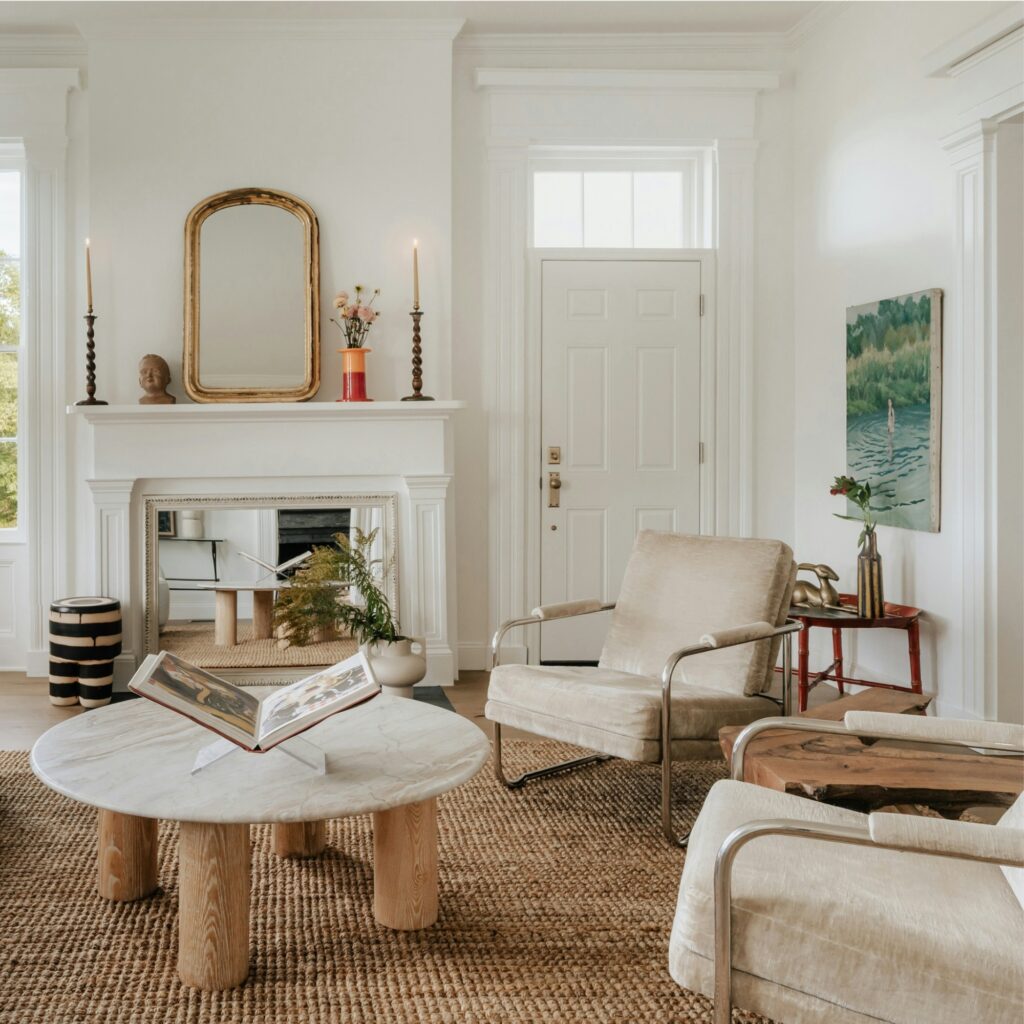
Walls are not the only surfaces that matter. Trim, doors, and ceilings can add depth and contrast.
Painting them in softer or slightly darker tones will elevate the entire room. Even subtle changes can make a big difference. These details often define the final look.
16 – Avoid Following Trends Blindly
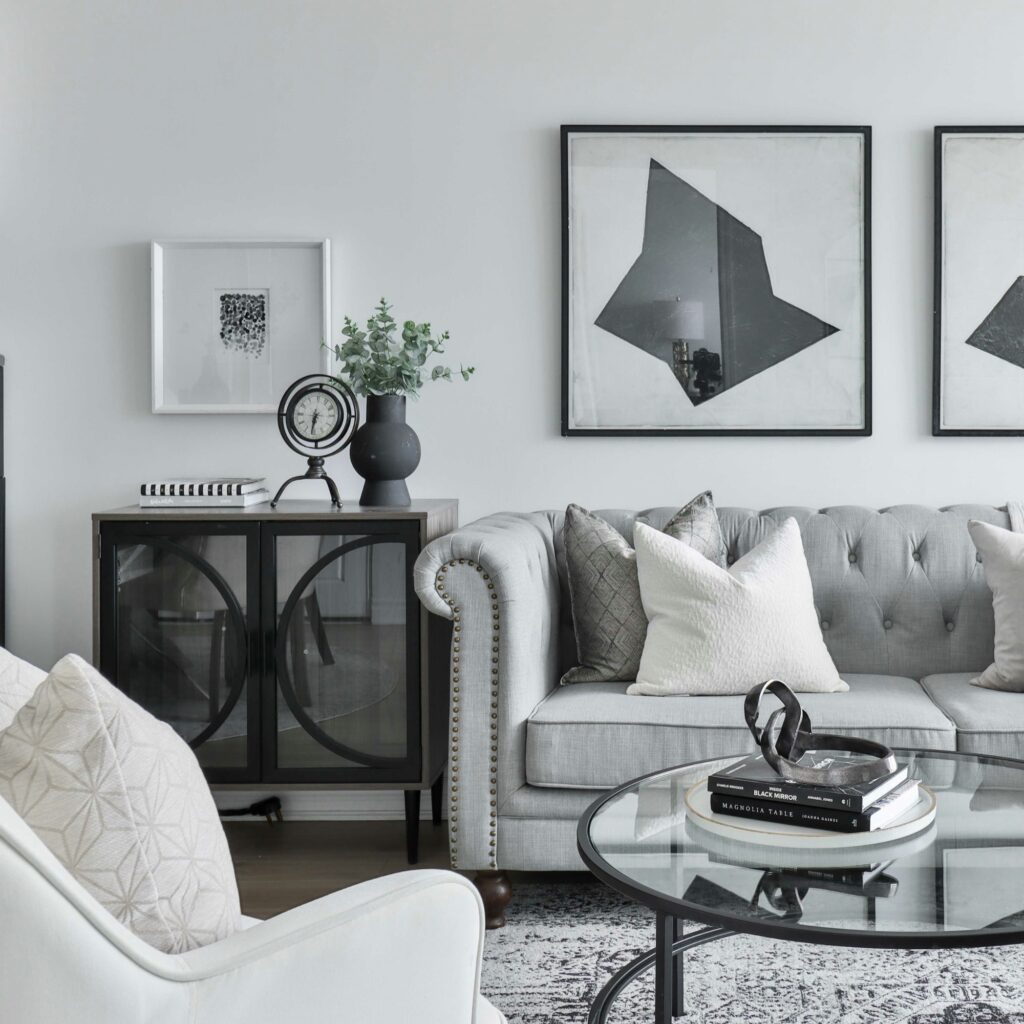
Trends come and go. Your home should feel timeless and personal. If you love a trend, use it in low-commitment ways or muted versions.
Trust your instincts more than social media. A home you love will always age better.
17 – Step Back And Trust Your Intuition
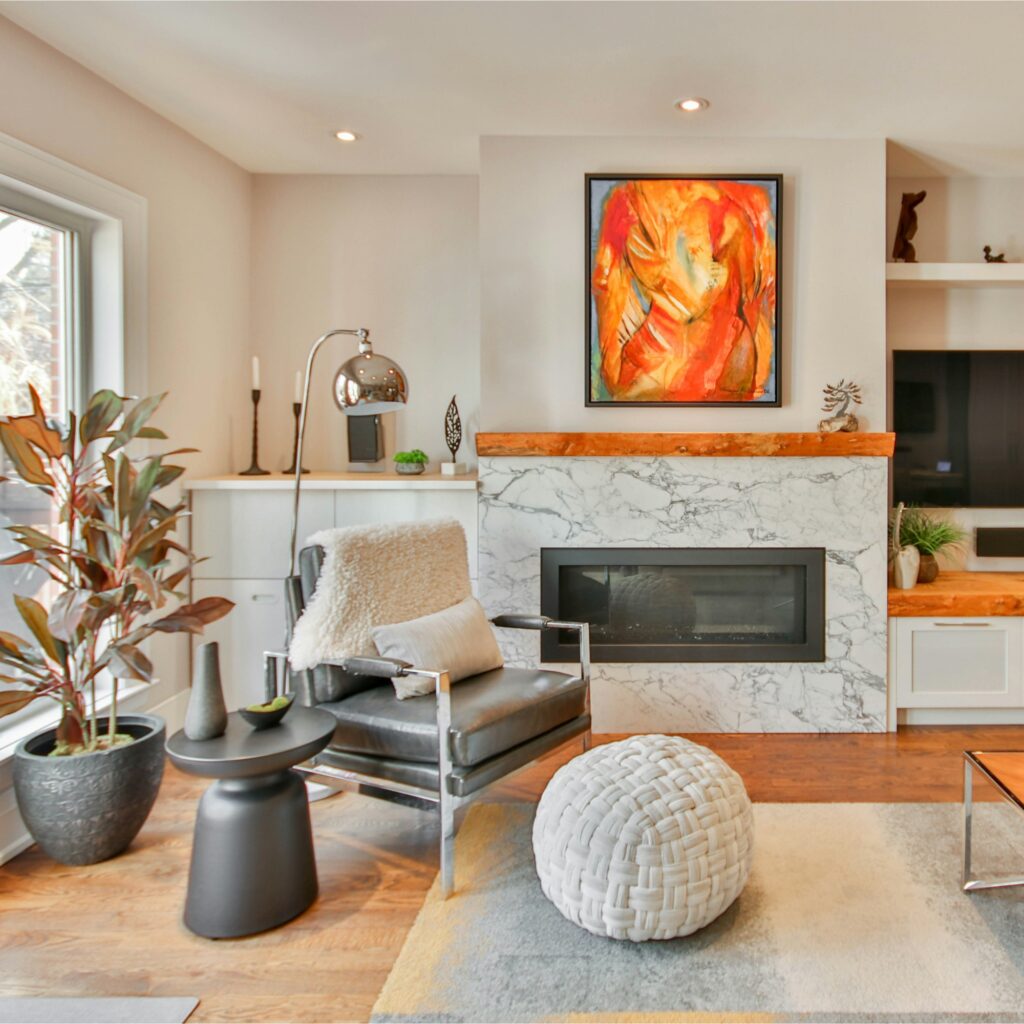
After all the testing and planning, take a step back. How does the color make you feel? Your home should bring you comfort and joy. If something feels off, it probably is.
FAQs
How Do I Choose Paint Colors Without Feeling Overwhelmed?
Start with a base color palette and focus on one room at a time. Testing samples at home will give you clarity and confidence.
Should All Rooms Be The Same Color?
Not necessarily. But they should flow together visually, especially if rooms connect or are visible from one another.
How Many Paint Colors Should A Home Have?
Most homes feel best with one main neutral and a few complementary accent colors. This will keep everything cohesive!
Are White Walls Always A Safe Choice?
White can be beautiful, but undertones matter. The wrong white can feel cold or dull in certain lighting.
Is It Okay To Use Dark Colors In Small Rooms?
Yes! Dark colors can make small rooms feel cozy and intentional when balanced with light and texture.
Conclusion
Now that you know how to choose paint colors for your home interior, you can confidently create a beautiful space!
Choosing paint colors for your home doesn’t have to be stressful. With intention, patience, and thoughtful testing, the process will become surprisingly enjoyable!
Focus on how you want your home to feel, respect light and undertones, and aim for harmony over trends.
Discover More Home Decor Ideas
- How To Decorate A Reading Nook: 14 Tips To Create A Cozy And Soulful Space
- How To Choose Curtains For Living Room – 12 Elegant Tips To Elevate Your Space
- How To Decorate A Blank Wall: 20 Inspiring Ideas To Transform Your Space
- How To Decorate Around A TV (Without Ruining Your Aesthetic)
- How To Decorate A Mantel – 23 Ways To Create A Captivating Look
- How To Style Open Shelves – 12 Tips To Easily Elevate Your Home
- How To Choose Wall Art For Your Home – An Easy Guide To Finding Pieces You Love